The review consensus
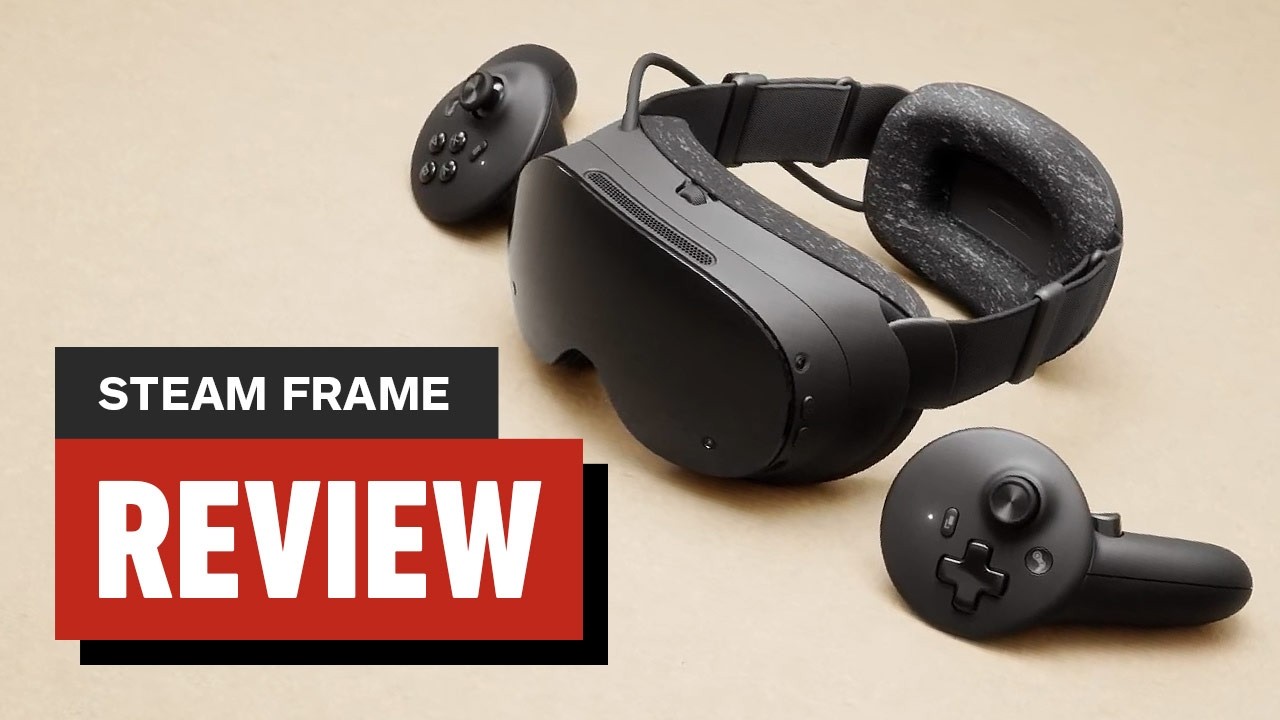
Current reviews describe Steam Frame as a convenient way to play VR: putting on the headset, choosing a game, and starting to play involves little setup friction.
The included wireless adapter provided a seamless, reliable PC connection in testing. Reviewers also praised the controllers for supporting VR and non-VR games, their pinpoint tracking, and the headset's lightweight design.
The fully wireless headset is lighter, more compact, and easier to set up than the cabled, base-station-based Valve Index. Its dual LCD lenses deliver a sharpness upgrade and narrowly exceed the Meta Quest 3's overall resolution, while the fit accommodated the reviewer's substantial glasses.
Buyer questions and tradeoffs
- How reliable is native standalone game compatibility?
- Native compatibility still has significant growing pains. Review testing found games that would not launch, severe graphical glitches in others, and six full-device crashes across multiple games that required restarts.
- How long can the battery last during standalone play?
- Runtime can be short and varies with the workload. One review drained the battery in about an hour while playing Beat Saber locally and also observed the headset shutting down roughly a minute after displaying a 10% warning.
- Who gets the strongest value from Steam Frame?
- It is positioned more convincingly as an enthusiast headset than an inexpensive entry into VR. Quest 3 and Quest 3S offer stronger value for first-time buyers, while existing Quest 3 owners may find the visual upgrade too limited; Steam Frame's advantage over higher-end tethered systems is its greater convenience.